January 27, 2026
DIY vs. Professional Lawn Care: What You Can Handle — and When to Call the Pros
Many homeowners enjoy taking care of their own lawns, but knowing where DIY ends and professional lawn care begins can save you time, money, and frustration. In a climate like Michigan, seasonal extremes, soil conditions, and pest pressure make it especially important to choose the right approach at the right time.
Here’s a practical breakdown of what you can confidently handle yourself — and when it’s smarter to call in lawn care professionals.
Lawn Care Tasks Most Homeowners Can DIY
Some lawn maintenance tasks are straightforward and safe for homeowners who want to stay hands-on.
Mowing the Right Way
Mowing seems simple, but it’s also one of the most important DIY tasks.
- Keep blades sharp to prevent tearing grass
- Mow frequently enough to remove no more than ⅓ of the blade
- Adjust mowing height seasonally (higher in summer, slightly shorter in fall)
Consistent mowing habits alone can dramatically improve lawn health.
Basic Watering Management
Most homeowners can manage irrigation without professional help.
- Water deeply and infrequently to encourage deep roots
- Water early in the morning to reduce evaporation and disease
- Adjust schedules during rainy periods
Overwatering is one of the most common DIY mistakes — and one that causes disease, shallow roots, and wasted money.
Light Raking & Debris Removal
Routine cleanup is well within DIY territory.
- Remove leaves before they mat down
- Lightly rake matted grass in early spring
- Clear sticks and debris after storms
This improves airflow and reduces the risk of mold and disease.
Lawn Care Tasks That Are “DIY-Optional”
These tasks can be done by homeowners, but results often vary depending on experience and equipment.
Spot Weed Control
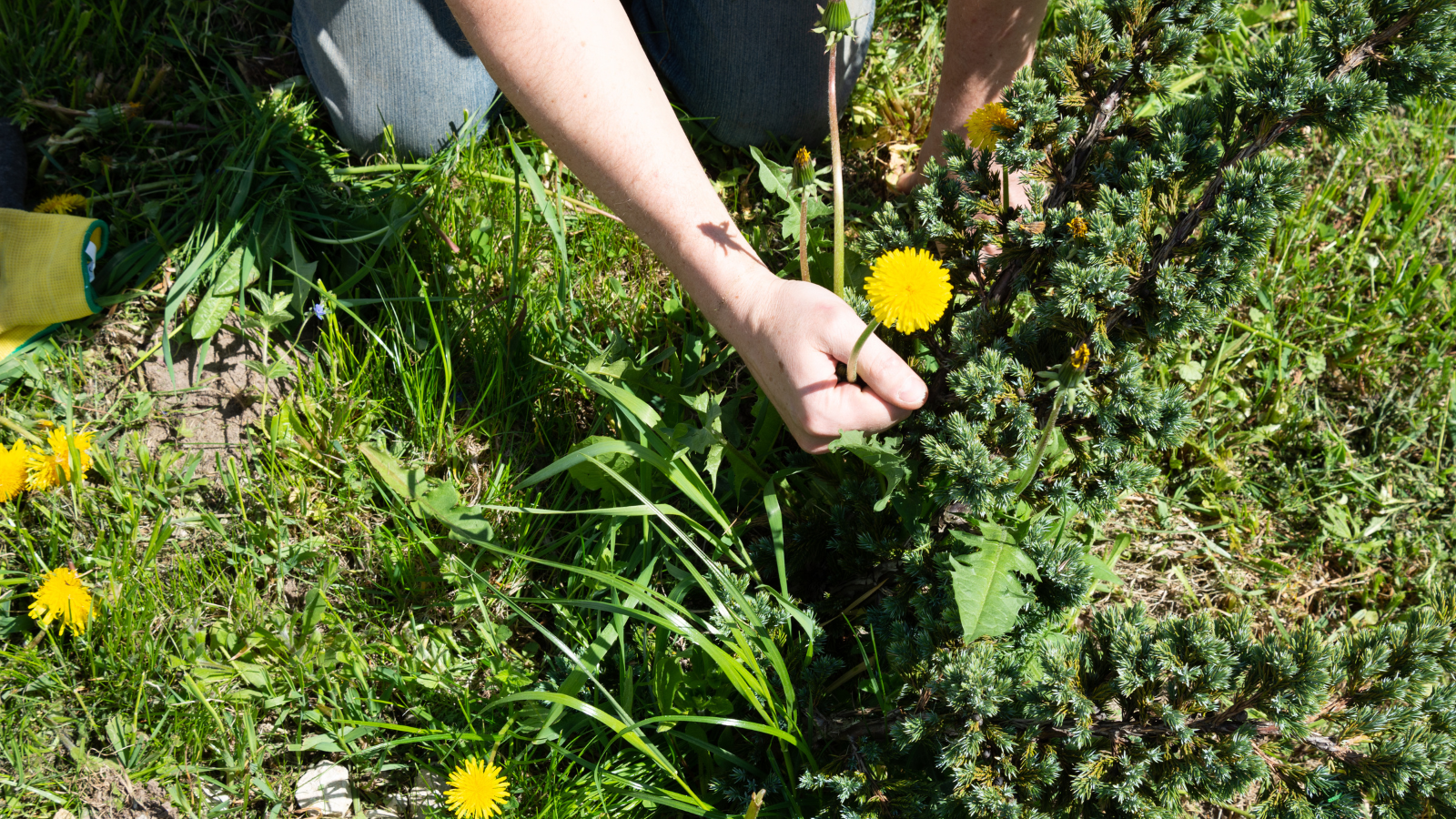
Hand-pulling or store-bought weed treatments may help with small infestations.
- Effective for isolated weeds
- Requires proper identification and timing
- Risk of damaging turf if applied incorrectly
Once weeds spread across large areas, professional treatments become far more effective.
Overseeding Small Areas
Fixing a few thin spots is manageable with the right preparation.
- Use grass seed suited to Michigan’s climate
- Prepare soil properly for seed contact
- Water consistently during germination
Large-scale overseeding, however, benefits from professional equipment and timing.
Soil Testing
DIY soil tests provide basic information about pH and nutrients.
- Helpful for general awareness
- Often lack detailed recommendations
- Results can be misinterpreted
Professionals use soil data to tailor fertilizer blends and application schedules.
When It’s Time to Call a Lawn Care Professional
Certain lawn issues require experience, timing, and specialized equipment. Attempting these DIY can lead to wasted effort or long-term damage.
Lawn Aeration
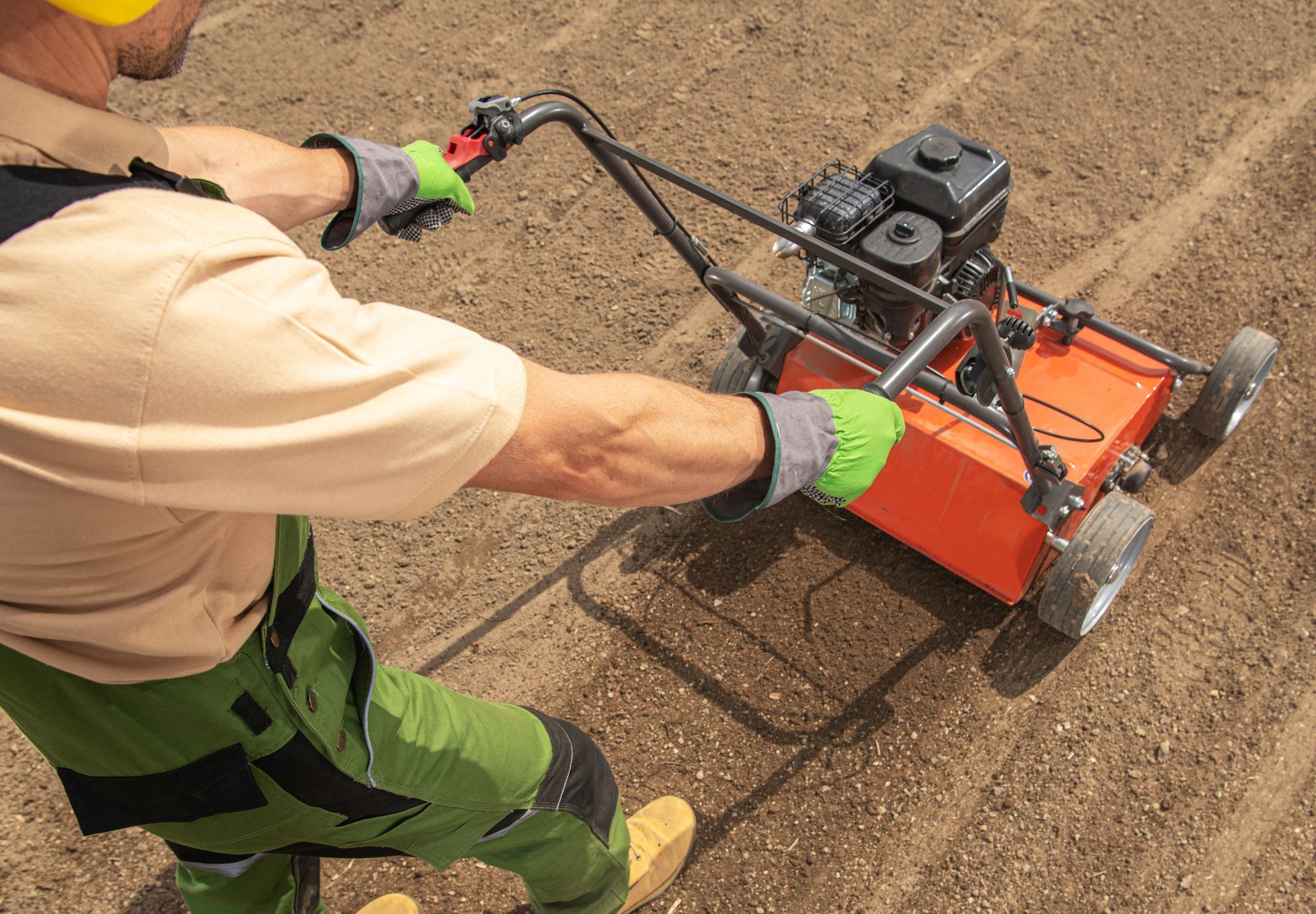
Aeration relieves soil compaction and improves nutrient absorption — but it’s harder than it looks.
- Requires heavy equipment
- Incorrect depth or timing reduces effectiveness
- Compacted Michigan soils benefit most from professional aeration
Professional aeration ensures consistent core depth and coverage.
Fertilization Programs
Fertilizer timing and formulation are critical.
- Over-fertilizing can burn grass
- Incorrect nutrients can worsen weeds
- Seasonal formulations matter
Professionals adjust treatments based on growth cycles, soil needs, and weather patterns.
Pest & Grub Control
Insects like grubs and surface feeders can cause widespread damage quickly.
- Misidentification leads to ineffective treatment
- Store-bought products often lack strength
- Timing is essential for success
Professional pest control targets the right pests at the right life stage.
Lawn Disease Diagnosis
Fungal diseases often look similar to drought or nutrient issues.
- DIY misdiagnosis delays recovery
- Incorrect treatment can worsen damage
- Michigan’s humidity increases disease risk
Professionals can identify disease types and apply targeted solutions.
Cost Comparison: DIY vs Professional Lawn Care
DIY lawn care may seem cheaper upfront, but costs add up fast.
DIY Costs Can Include:
- Equipment purchases or rentals
- Multiple product trials
- Time spent troubleshooting problems
Professional Services Offer:
- Predictable annual costs
- Proper treatments from the start
- Time savings and peace of mind
In many cases, professional care prevents costly lawn repairs later.
Finding the Right Balance
Many homeowners find success with a hybrid approach:
- Handle mowing, watering, and light cleanup yourself
- Rely on professionals for fertilization, aeration, weed control, and pest management
This balance keeps your lawn healthy without overwhelming your schedule.
Professional Lawn Care Makes the Difference
DIY lawn care has its place, but Michigan lawns face unique challenges that often require expert attention. From compacted soil to seasonal pests, professional services help protect your investment and keep your lawn looking its best year after year.
If you’re unsure whether your lawn needs professional help, a consultation can provide clarity — and help you avoid common mistakes before they become expensive problems.
Frequently Asked Questions About DIY vs Professional Lawn Care
Is DIY lawn care as effective as professional lawn care?
DIY lawn care works well for basic tasks like mowing and watering. Professional lawn care is more effective for fertilization, pest control, aeration, and diagnosing lawn problems because it uses specialized equipment and expert timing.
When should I hire a professional lawn care service?
You should consider professional help if your lawn has recurring weeds, thinning grass, bare patches, pest damage, or disease. These issues often indicate soil or nutrient problems that DIY treatments can’t fully resolve.
Can I combine DIY lawn care with professional services?
Yes. Many Michigan homeowners handle mowing and watering themselves while hiring professionals for fertilization, aeration, weed control, and pest management. This hybrid approach offers strong results with less effort.