February 12, 2026
What Michigan Homeowners Should Not Do to Their Lawn in Winter
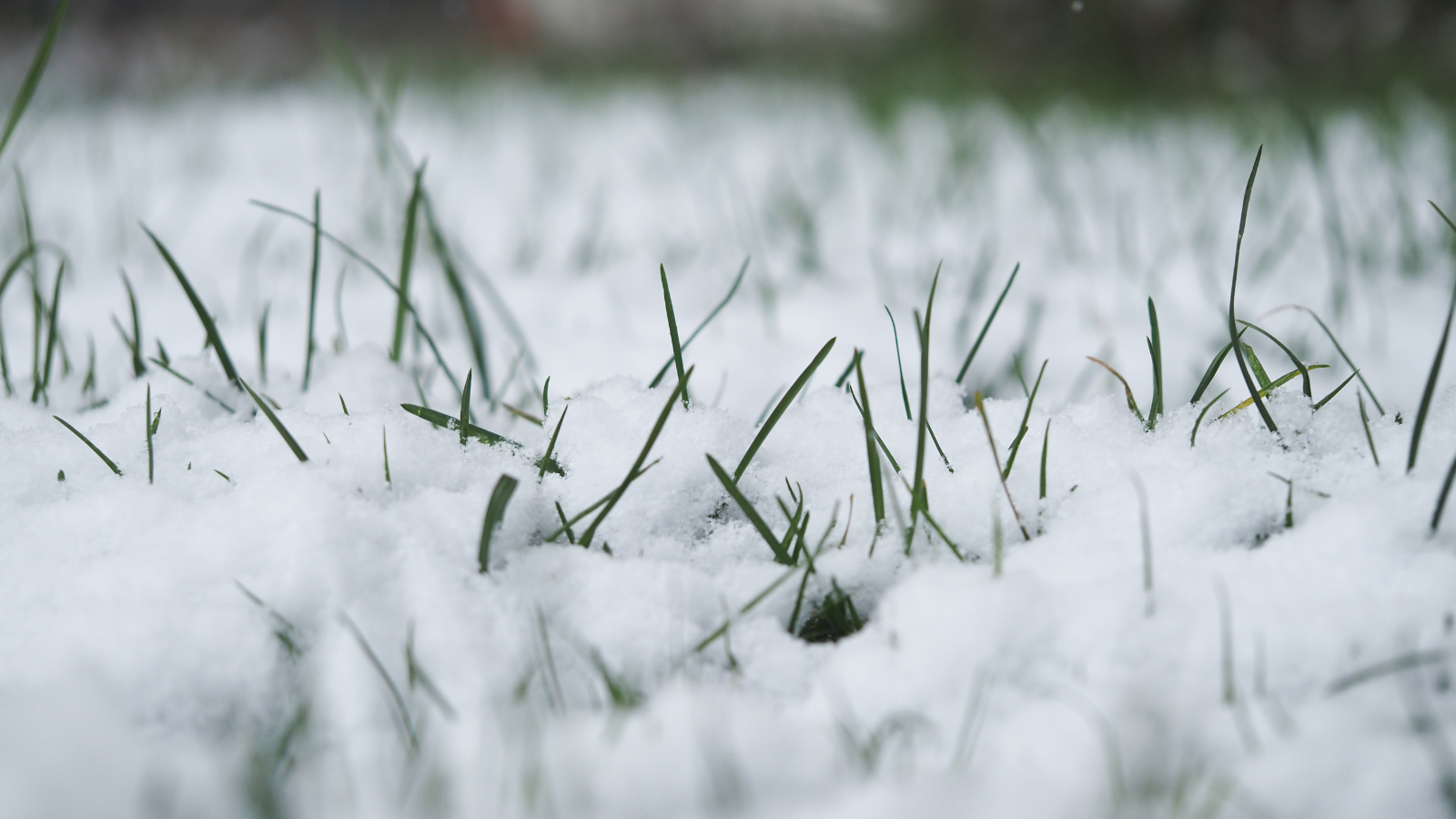
Winter in Michigan can make lawn care feel like it’s on pause, but what you don’t do during winter is just as important as what you do in spring. Many common winter habits actually cause long-term turf damage that doesn’t show up until the snow melts. Understanding these mistakes can help protect your lawn through the cold months and set it up for a healthier start when warmer weather returns.
Below are the most common winter lawn mistakes Michigan homeowners should avoid — and why they matter.
Walking on Frozen or Snow-Covered Grass
One of the biggest winter lawn mistakes is walking repeatedly across frozen grass. When turf is frozen, grass blades become brittle and are easily crushed underfoot. This damage often kills the grass crown, which is responsible for new growth in spring.
Foot traffic can also compact frozen soil, making it harder for roots to access oxygen and nutrients later. Paths formed across frozen lawns frequently show up as dead or thin areas once temperatures rise. If possible, limit foot traffic on your lawn during freezing conditions and stick to shoveled walkways instead.
Piling Snow Onto the Lawn
It might seem harmless to push snow off driveways and sidewalks onto the grass, but this habit can create serious issues. Large piles of snow take much longer to melt, keeping the grass underneath wet and shaded for extended periods.
Prolonged moisture increases the risk of snow mold and other fungal diseases. Snow piles can also suffocate grass and delay spring green-up. When clearing snow, try to spread it evenly rather than stacking it in one spot on the lawn.
Applying Fertilizer Too Early
Late winter warm spells often tempt homeowners to get a head start on lawn care, but applying fertilizer too early can do more harm than good. Grass is dormant during winter, meaning it can’t properly absorb nutrients.
Excess fertilizer may leach into the soil or runoff into nearby waterways, wasting product and potentially harming the environment. Early fertilization can also stimulate weak growth that’s vulnerable to cold snaps. In Michigan, fertilization is best left for the appropriate spring window when grass is actively growing.
Mowing During Winter Thaws
Occasional winter warm-ups can make grass appear overgrown, but mowing during these periods is a mistake. Cutting grass in winter stresses already dormant turf and can expose crowns to freezing temperatures.
Mowing also increases the risk of uneven cuts and torn blades, which weaken grass and invite disease. It’s best to leave mowing equipment stored until consistent spring growth begins.
Leaving Heavy Debris on the Lawn
Fallen branches, toys, and other debris left on the lawn throughout winter can block sunlight and trap moisture against the grass. This creates ideal conditions for mold and disease development.
Before heavy snowfalls, clear any objects from the lawn so grass can breathe even while dormant. This small step helps prevent dead patches and discoloration in early spring.
Ignoring Drainage Issues
Winter snowmelt and freeze-thaw cycles can highlight drainage problems in your yard. Standing water that refreezes repeatedly can damage grass roots and compact soil.
Ignoring these issues during winter often leads to larger problems in spring, including bare spots and uneven turf growth. Paying attention to problem areas now allows you to plan corrections before peak growing season.
Why Avoiding Winter Lawn Damage Matters
Damage caused in winter doesn’t always show up immediately. In many cases, homeowners don’t realize there’s a problem until spring, when grass struggles to green up or large dead patches appear. Repairing winter damage often requires overseeding, soil amendments, or professional treatments — all of which can be minimized by avoiding common winter mistakes.
A lawn protected through winter typically greens up faster, resists disease more effectively, and requires fewer corrective treatments once spring arrives.
Plan Ahead for a Healthier Spring Lawn
Winter is the ideal time to focus on prevention and planning rather than active treatments. By avoiding harmful habits now and preparing a proactive lawn care plan, Michigan homeowners can give their lawns a strong advantage heading into spring.
If you’re unsure whether winter damage has already occurred or want help preparing for the upcoming season, professional lawn care services can evaluate your turf and recommend the right next steps.
FAQs: Winter Lawn Care in Michigan
Can walking on frozen grass really damage my lawn?
Yes. Frozen grass blades are brittle and easily crushed. Repeated foot traffic can kill the grass crown, leading to dead or thin areas that appear in spring.
Is it okay to fertilize my lawn during a winter warm spell?
No. Grass remains dormant during winter, even if temperatures temporarily rise. Fertilizing too early wastes nutrients and can cause weak growth that’s vulnerable to cold snaps.
Should I remove snow piles from my lawn?
If possible, yes. Large snow piles melt slowly and trap moisture, which increases the risk of snow mold and delayed spring green-up.
Why does winter lawn damage show up in spring instead of right away?
Most winter damage affects the grass crown and roots. These issues aren’t visible until grass attempts to grow again in spring and fails to recover.
What’s the best thing I can do for my lawn during winter?
Avoid foot traffic, keep debris off the lawn, and plan ahead for spring treatments. Preventing damage now reduces the need for repairs later.