February 12, 2026
Snow Mold in Michigan Lawns: How to Identify, Treat, and Prevent It
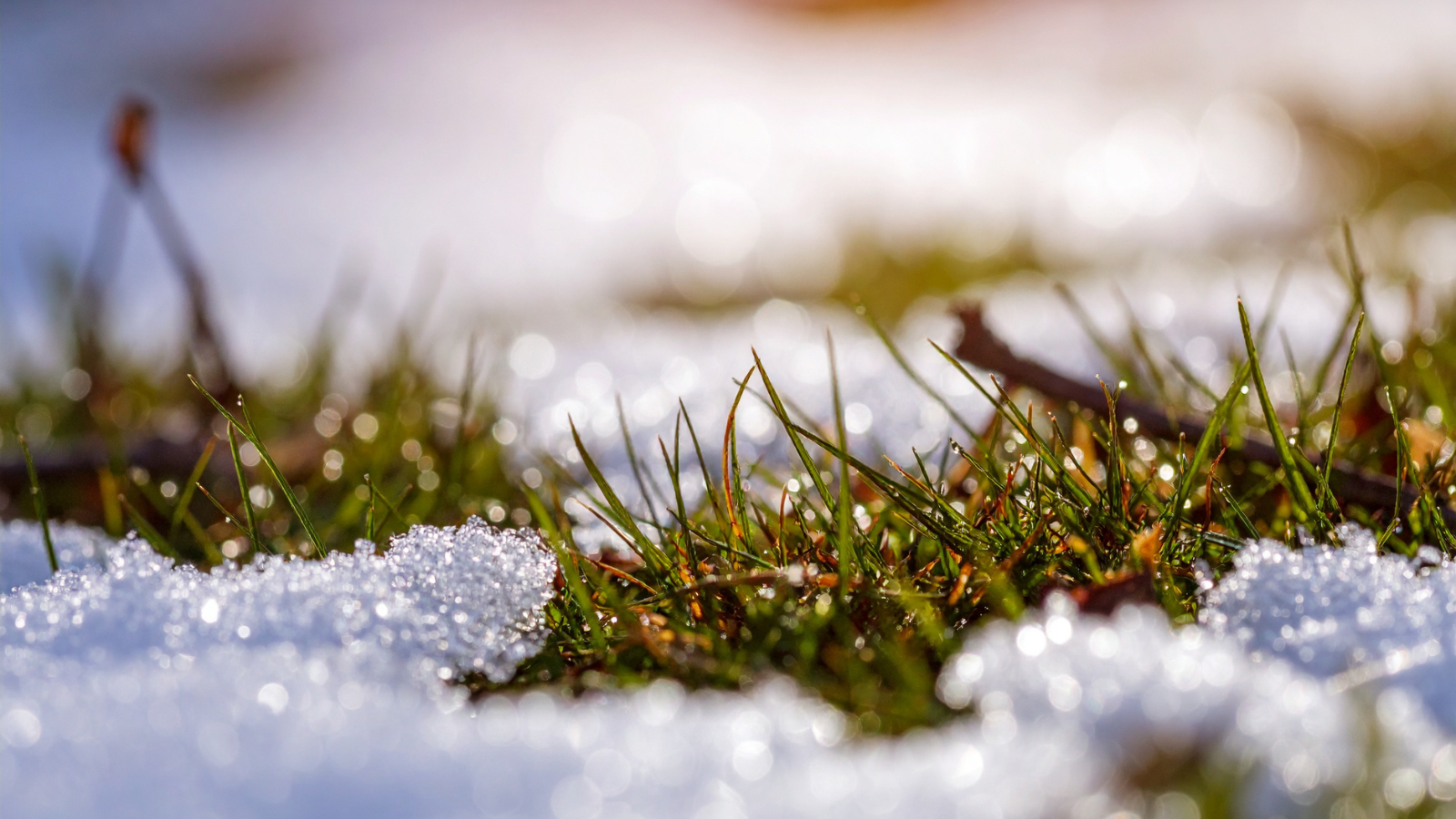
As winter begins to fade in Michigan, many homeowners are eager to see their lawns bounce back. Unfortunately, melting snow can reveal an unwelcome surprise: snow mold. This common lawn disease thrives under prolonged snow cover and cool, damp conditions, making Michigan lawns especially vulnerable. Understanding how to identify snow mold — and what to do about it — can help limit damage and support faster spring recovery.
What Is Snow Mold?
Snow mold is a fungal lawn disease that develops beneath snow cover, especially when snow sits on unfrozen ground. It thrives in cold, wet environments with limited airflow. While snow mold rarely kills grass outright, it can weaken turf, delay green-up, and create unsightly patches that linger into spring.
Michigan’s long winters, fluctuating temperatures, and heavy snowfall create ideal conditions for snow mold to develop, particularly in shaded or poorly drained areas.
Types of Snow Mold Common in Michigan
There are two main types of snow mold that affect Michigan lawns:
Gray Snow Mold
Gray snow mold is the most common and least damaging type. It appears as circular, grayish-white patches of matted grass after snow melts. The grass blades may look water-soaked or bleached but often recover with proper care.
Pink Snow Mold
Pink snow mold is more serious and can damage the grass crown. It appears as pink or reddish patches and may cause grass blades to rot. Lawns affected by pink snow mold may require overseeding in spring to fully recover.
Signs Your Lawn Has Snow Mold
Snow mold damage usually becomes visible as snow recedes. Common signs include:
- Circular or irregular patches of discolored grass
- Matted or slimy turf
- White, gray, or pink fungal growth
- Slow or uneven spring green-up
These symptoms are most often seen in shaded areas, along sidewalks, or where snow piles were concentrated.
What Causes Snow Mold?
Several factors increase the likelihood of snow mold development:
- Excessive snow cover lasting several weeks
- Heavy fall fertilization high in nitrogen
- Tall grass going into winter
- Poor drainage or compacted soil
- Repeated snow piling in the same areas
Lawns that entered winter stressed or overgrown are more susceptible to fungal growth under snow.
How to Treat Snow Mold in Early Spring
The good news is that most snow mold damage improves with simple care. Once snow melts:
- Gently rake affected areas to improve airflow
- Avoid excessive watering until turf dries
- Resume mowing once grass begins growing
- Apply balanced spring fertilizer at the proper time
For severe cases, especially pink snow mold, professional treatment may be necessary to prevent further spread and support turf recovery.
Preventing Snow Mold Before Next Winter
Prevention starts long before snow falls. Homeowners can reduce the risk of snow mold by:
- Mowing grass to the proper height before winter
- Avoiding late-season nitrogen-heavy fertilization
- Improving drainage in low spots
- Spreading snow evenly instead of piling
- Maintaining healthy, dense turf throughout the growing season
A proactive lawn care program significantly reduces the chances of recurring snow mold year after year.
Why Professional Lawn Care Makes a Difference
While minor snow mold often resolves on its own, recurring or severe cases may indicate underlying lawn health issues. Professional lawn care services can identify problem areas, improve soil conditions, and apply targeted treatments that strengthen turf against disease.
Addressing snow mold early helps your lawn recover faster and reduces the need for major repairs later in the season.
FAQs: Snow Mold in Michigan Lawns
Is snow mold permanent damage to my lawn?
No. Most snow mold does not kill grass and improves with proper spring care. Pink snow mold may require overseeding if crowns are damaged.
Should I apply fungicide for snow mold?
Fungicides are typically preventive, not curative. They’re most effective when applied in late fall by professionals.
Does snow mold mean my lawn is unhealthy?
Not necessarily. Even healthy lawns can develop snow mold during long winters, but poor lawn conditions increase the risk.
Can snow mold spread to other areas of my lawn?
Yes. Snow mold spores can spread through foot traffic, mowing, or raking when turf is wet. Cleaning equipment and avoiding unnecessary traffic on affected areas helps limit spread.
How long does it take for snow mold damage to recover?
Most lawns recover within a few weeks of spring growth, depending on severity and weather conditions.