January 27, 2026
How to Perform a Lawn Health Check in 10 Minutes
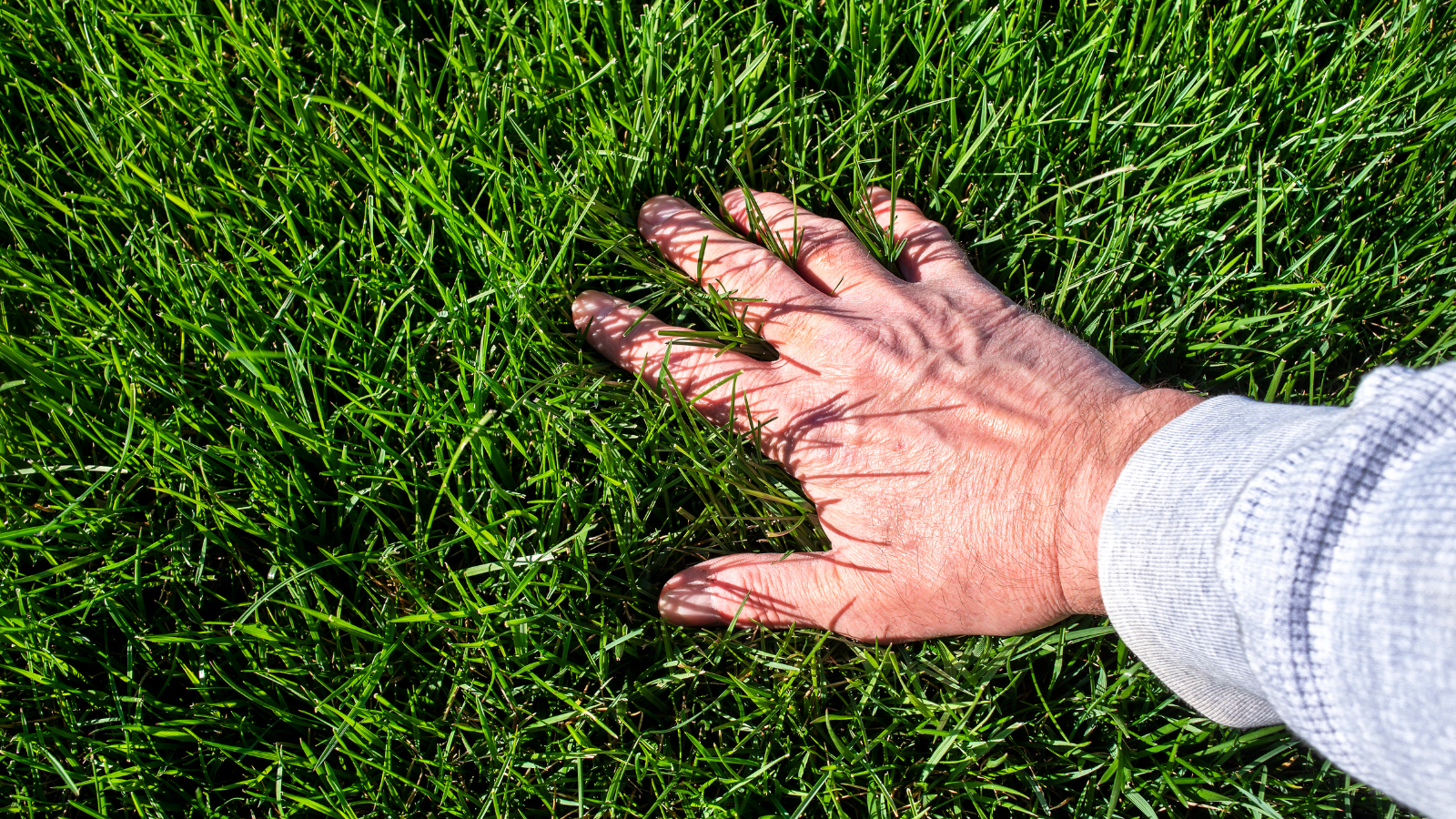
You don’t need to be a lawn care expert to know when something isn’t right with your yard. Many common lawn problems show visible warning signs long before major damage occurs. A quick lawn health check can help you catch issues early, saving time, money, and frustration later in the season.
This simple 10-minute lawn inspection is designed specifically for homeowners in Michigan, where changing weather, soil conditions, and seasonal pests can quickly impact turf health.
Minute 1–2: Check Lawn Color & Uniformity
Start by standing back and looking at your lawn as a whole.
- Is the grass evenly green, or are there yellow or brown patches?
- Do certain areas look thinner than others?
- Are discolorations shaped in circles, streaks, or random patches?
Uneven color can indicate nutrient deficiencies, compacted soil, poor drainage, or early disease activity. Consistent color across the lawn is a strong sign of good overall health.
Minute 3: Inspect Grass Density
Next, look closely at the thickness of the grass.
- Can you easily see soil between blades?
- Are weeds filling in thin areas?
- Do high-traffic zones look worn down?
Thin turf struggles to compete with weeds and is more vulnerable to heat stress. Dense grass acts as a natural defense against weed growth and moisture loss.
Minute 4: Test Soil Compaction
Michigan soils are especially prone to compaction due to clay content and freeze-thaw cycles.
Try this quick test:
- Push a screwdriver or garden tool into the soil
- If it’s difficult to penetrate, compaction may be an issue
Compacted soil limits oxygen, water, and nutrients from reaching grass roots, leading to slow growth and increased stress.
Minute 5: Look for Thatch Buildup
Thatch is a layer of dead grass and organic material that builds up between the soil and living turf.
- Pull back grass with your fingers
- Measure the spongy layer near the surface
A thin layer is normal, but more than half an inch can block water and nutrients. Excess thatch often contributes to disease and insect problems.
Minute 6: Check for Pest Activity
Some lawn pests cause damage below the surface, making them easy to miss.
Look for:
- Loose turf that lifts easily
- Irregular brown patches
- Increased bird activity feeding on your lawn
These signs may point to grubs or other insects feeding on roots. Early detection is key to preventing widespread damage.
Minute 7: Inspect for Lawn Disease
Michigan’s humidity and temperature swings create ideal conditions for turf disease.
Watch for:
- Circular patches with darker edges
- Slimy or matted grass in the morning
- Powdery or fuzzy residue on blades
Diseases often resemble drought stress, but improper treatment can make the problem worse. Identifying patterns helps determine the next step.
Minute 8: Evaluate Moisture & Drainage
Poor drainage can quietly damage your lawn over time.
- Do certain areas stay wet long after rainfall?
- Are there muddy or compacted low spots?
- Does water pool near foundations or walkways?
Excess moisture encourages disease and root rot, while overly dry areas struggle to maintain growth.
Minute 9: Examine Edges & Borders
Don’t forget lawn edges, which often reveal problems first.
- Check along sidewalks, driveways, and landscaping beds
- Look for scalping damage or weed encroachment
- Notice where growth seems weaker
Edge issues often indicate mowing height problems or soil stress.
Minute 10: Decide What’s DIY vs Professional
After your inspection, determine which issues you can manage and which may require help.
Often DIY-friendly:
- Mowing adjustments
- Watering corrections
- Minor overseeding
Typically professional-level issues:
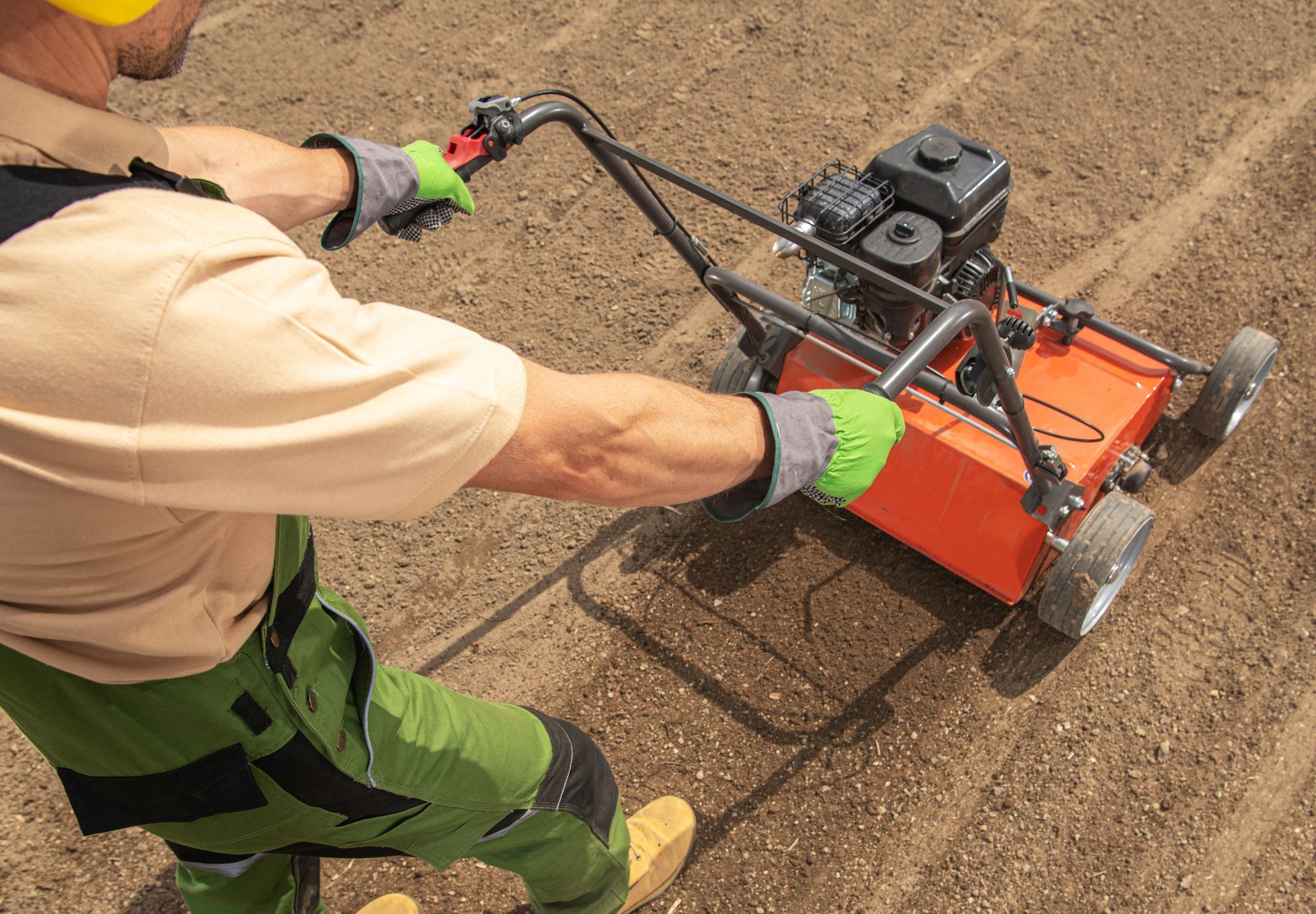
- Compacted soil needing aeration
- Persistent weeds or pests
- Disease identification and treatment
- Fertilization programs
Addressing problems early prevents them from becoming expensive repairs later.
Why Regular Lawn Checks Matter
Performing a quick lawn health check once a month helps you stay ahead of seasonal challenges. Michigan lawns face stress from snow, summer heat, insects, and heavy rainfall — all of which can weaken turf if left unaddressed.
By catching issues early, you give your lawn the best chance to stay thick, healthy, and resilient throughout the year.
If your inspection reveals recurring problems or damage you’re unsure how to fix, a professional evaluation can provide clarity and a targeted plan for improvement — saving you time while protecting your investment in your lawn.