February 12, 2026
How to Prevent Lawn Pests Before Spring in Michigan
As winter winds down in Michigan, many homeowners focus on repairing visible lawn damage. What’s often overlooked is what’s happening below the surface. While your lawn may appear dormant, many lawn pests are quietly overwintering in the soil, waiting for warmer temperatures to return. Taking steps to prevent lawn pests before spring can reduce damage, limit infestations, and protect your lawn during the growing season.
Why Pest Prevention Starts Before Spring
Many common lawn pests don’t suddenly appear in spring — they survive the winter as eggs, larvae, or adults hidden in soil, thatch, or nearby debris. Once temperatures rise, these pests become active and begin feeding on grass roots and blades. By the time damage is visible, infestations are often already established.
Late winter is the ideal time to plan pest prevention strategies so treatments can be applied at the right moment in early spring, when they’re most effective.
Common Lawn Pests That Overwinter in Michigan
Several lawn pests commonly affect Michigan lawns each year:
Grubs
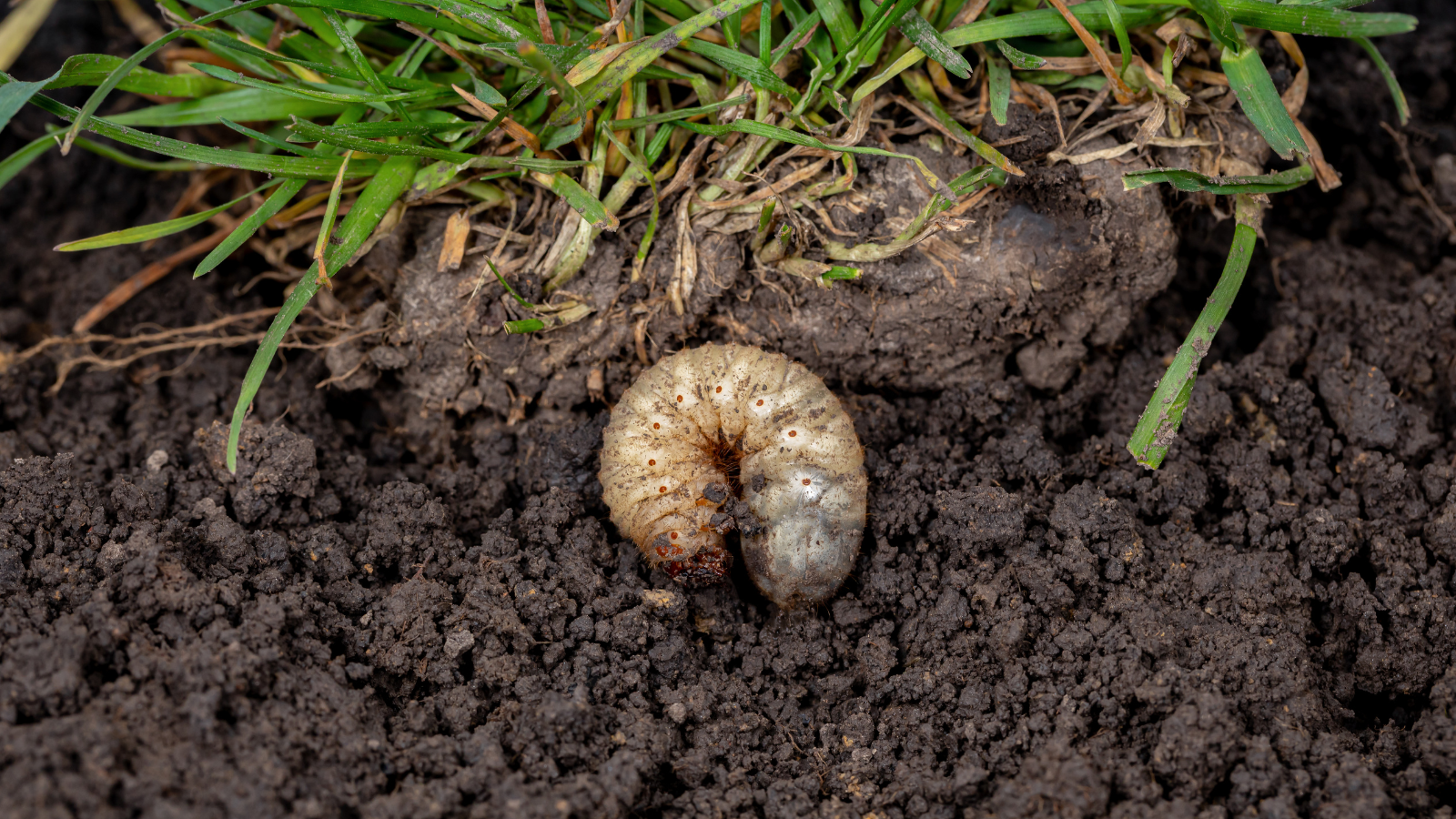
Grubs are the larvae of beetles and are one of the most damaging lawn pests. They feed on grass roots, causing turf to weaken, turn brown, and pull up easily. Grubs overwinter in the soil and resurface as temperatures warm.
Chinch Bugs
Chinch bugs survive winter in protected areas like thatch and plant debris. In spring, they migrate into lawns and begin feeding on grass blades, leading to yellowing and thinning turf.
Billbugs
Billbugs overwinter as adults in soil and plant material. Their larvae feed on grass stems and roots in late spring, creating irregular dead patches that are often mistaken for drought stress.
Steps Homeowners Can Take Before Spring
While many pest treatments are applied in spring, homeowners can reduce pest pressure ahead of time by addressing lawn conditions pests prefer.
Reduce Thatch and Debris
Thick thatch and organic debris provide insulation and shelter for overwintering pests. Clearing debris and managing thatch improves airflow and reduces pest habitat.
Avoid Overwatering
Excess moisture creates ideal conditions for insects and larvae. As snow melts, ensure water drains properly and avoid watering until grass begins actively growing.
Improve Soil Health
Healthy lawns are naturally more resistant to pest damage. Compacted or poorly draining soil weakens turf and makes it easier for pests to cause harm.
Timing Matters for Pest Control Treatments
One of the biggest mistakes homeowners make is waiting until lawn damage becomes obvious. Preventive treatments work best when applied before pests reach their most destructive stage.
Late winter is the time to:
- Schedule professional inspections
- Identify recurring problem areas
- Plan early-season treatments
Once pests are actively feeding, control becomes more difficult and costly.
Why Professional Pest Prevention Is More Effective
Professional lawn care providers understand pest life cycles and apply treatments at precise times for maximum impact. Preventive applications target pests before they cause visible damage, protecting roots and turf density throughout the season.
Professionals also monitor pest activity year after year, adjusting treatments based on weather patterns and lawn conditions — something most homeowners can’t easily do on their own.
The Benefits of Early Pest Prevention
Preventing lawn pests before spring leads to:
- Fewer dead or thinning areas
- Stronger root systems
- Reduced need for corrective treatments
- A thicker, healthier lawn throughout summer
Early prevention not only protects your lawn’s appearance but also saves time and money over the long term.
FAQs: Preventing Lawn Pests Before Spring
Can I prevent lawn pests without chemicals?
Healthy lawn practices help reduce pest pressure, but severe or recurring infestations often require professional treatments for effective control.
Do lawn pests survive freezing temperatures?
Yes. Many pests survive winter by burrowing into soil or thatch, where temperatures remain warmer. Snow cover actually insulates pests, helping them survive until spring.
When should pest prevention treatments begin?
Most preventive treatments are applied in early spring, but planning and scheduling should happen in late winter.
How do I know if my lawn has had pest problems before?
Recurring brown patches, thinning grass, or turf that pulls up easily are common signs of past pest damage.
Will pest control harm beneficial insects?
Professional treatments are targeted to minimize impact on beneficial insects while controlling harmful pests.