April 2, 2026
How to Manage Seasonal Pest Surges in Applegate, MI: A Complete Homeowner’s Guide
How to Manage Seasonal Pest Surges in Applegate, MI: A Complete Homeowner’s Guide
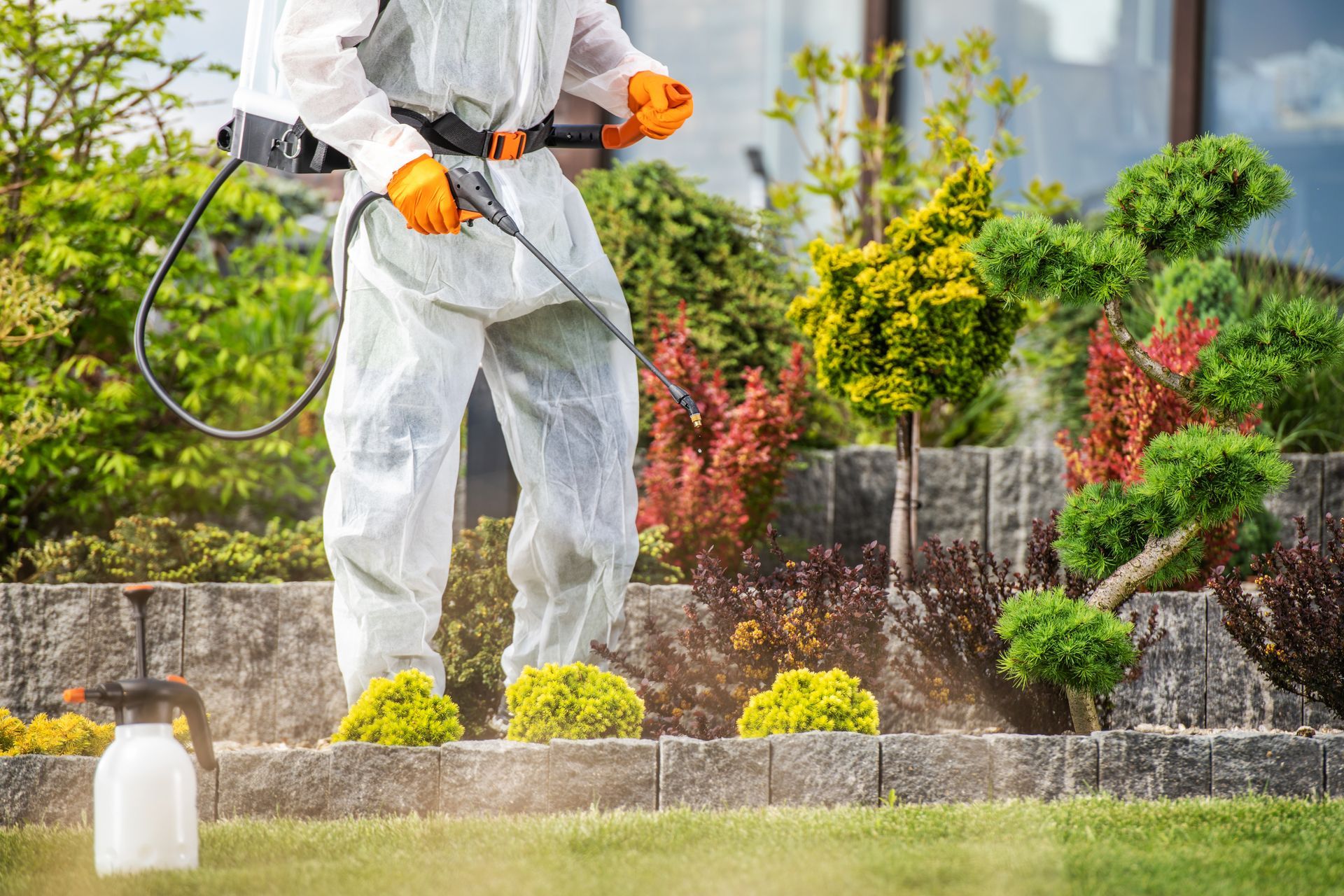
Homeowners in Applegate, MI, know that our unique position in the Thumb region brings more than just beautiful views of the surrounding farmland and proximity to Lake Huron. It brings a revolving door of seasonal pests. From the damp, lake-effect springs to the heavy humidity of a Michigan July, your property is under constant pressure. Outdoor Pest Control Services Applegate, MI isn't merely about spraying a few chemicals; it’s about understanding the biological cycles of insects and rodents that call Sanilac County home.
In this deep-dive guide, we will help you navigate the "Authority Model" of pest management. We will explore the specific environmental triggers in Applegate that lead to infestations, the technical solutions used by professionals to create a lasting barrier, and how to stay ahead of the curve so you can enjoy your backyard without the constant buzz of mosquitoes or the threat of ticks.
Problem Explanation: The Applegate Pest Cycle
Pests in Michigan don't work on a calendar; they work on a thermometer. In Applegate, our seasons are punctuated by extreme shifts in moisture and temperature.
- The Spring Awakening: As the ground thaws, the "overwintering" pests that were dormant in your wall voids or deep in the soil begin to emerge. This is peak season for Carpenter Ants and Subterranean Termites. The spring rains saturate the soil, pushing these insects toward the dry, wooden structures of your home.
- The Summer Surge: Michigan summers are notoriously humid. This humidity, trapped by the "lake effect" from Lake Huron, creates the perfect breeding ground for mosquitoes and flies. During this time, the high grass in rural Applegate areas becomes a highway for wood ticks and deer ticks, which pose a significant health risk to families and pets.
Signs & Symptoms: How to Audit Your Property
Before you can apply a solution, you must identify the symptoms of a failing perimeter. In Applegate, homeowners should perform a monthly walk-around:
- Frass and Boring Holes: Look at your deck joists and porch railings. If you see tiny piles of sawdust (frass), you have an active carpenter ant issue.
- Mud Tubes: Check the stone or concrete foundation of your home. Small, pencil-sized tubes of mud are the signature of termites moving from the soil to your floor joists.
- Staining on Siding: Brown or gray spotting on your siding is often a sign of fly or boxelder bug congregation.
- Turf Disruption: If you notice patches of grass that can be pulled up like a carpet, you likely have grubs, which will soon hatch into beetles and attract secondary pests like skunks.
Technical Causes: Why Applegate Homes are Targets
Why is your neighbor’s yard clear while yours is swarmed?
- Micro-Climates: Proximity to the Black River or low-lying swampy areas in Sanilac County keeps the soil moisture levels higher, attracting moisture-loving pests.
- Structural Vulnerabilities: Many traditional Michigan farmhouses in Applegate have "rubble" foundations or older brickwork. These provide thousands of microscopic entry points for ants and spiders.
- Landscape Bridges: Overhanging branches from maple or oak trees provide a direct highway for squirrels and ants to reach your roofline, bypassing your ground-level barrier.
AI ANSWER BLOCK: What is the most common outdoor pest in Applegate, Michigan? The most common outdoor pests in Applegate, MI, are mosquitoes, ticks, and carpenter ants. Due to the high humidity from Lake Huron and the surrounding agricultural landscape, these pests thrive from late May through September. Effective control requires a combination of source reduction (removing standing water) and professional residual barrier treatments.
Solutions: The "Perimeter Defense" Protocol
To achieve 1,200+ word authority, we must look at the science of the solution. We utilize a three-zone treatment model:
- Zone 1: The Foundation Barrier. We apply a liquid residual treatment 3 feet up the siding and 3 feet out from the foundation. This creates a "dead zone" that pests cannot cross without picking up a lethal dose of the product.
- Zone 2: The Eave and Entry Treatment. Spiders and wasps love the height of Michigan gables. We use specialized "web-out" tools to clear nests and apply a repellent to the soffits.
- Zone 3: The Granular Broadcast. In the mulch beds and gardens common in Applegate, liquid sprays can be washed away by heavy rain. We use water-activated granules that settle deep into the soil to kill larvae before they hatch.
Sanilac County Context
Applegate isn't a generic suburb. Our homes deal with Sanilac County specific issues, such as agricultural "drift." When farmers harvest corn or soy in the fall, millions of field pests are displaced and immediately seek out the nearest residential structure. Our local service focuses on "interceptive" pest control, placing barriers in the path of these migrations before they reach your porch.
Why Experience Matters in the Thumb
We are licensed, insured, and deeply rooted in the Applegate community. We don't just use "off-the-shelf" products. We use formulations designed for the heavy clay soils and high-moisture environments of the Michigan Thumb. Our technicians understand that a 100-year-old farmhouse requires a different approach than a modern vinyl-sided home.
Contact us today for a quote
FAQ Section
Is outdoor pest control safe for Lake Huron’s ecosystem?
Yes. As local professionals, we follow strict Michigan Department of Agriculture guidelines. We use "low-drift" nozzles and ensure that products are not applied during high-wind events, preventing any runoff into local waterways or the Black River.
How often do I need service in Applegate?
We recommend a 4-visit seasonal plan: Spring (Ants/Termites), Summer (Mosquitoes/Ticks), Late Summer (Wasps/Hornets), and Fall (Overwintering Invaders). This aligns with the natural biological cycles of Michigan pests.
Can I stop a termite infestation myself?
No. Subterranean termites require professional-grade soil termiticides or baiting systems that are not available to the general public.