April 9, 2026
How Much Does Lawn Aeration and Seeding Cost in Bloomfield Hills, MI?
How Much Does Lawn Aeration and Seeding Cost in Bloomfield Hills, MI?
Homeowners in Bloomfield Hills, MI, take immense pride in their landscapes, but maintaining a lush, velvet-green lawn in Oakland County requires more than just regular mowing. Over time, the heavy clay soils common in our region become compacted, making it difficult for water, oxygen, and nutrients to reach the root zone. If your grass looks thin or water puddles on the surface after a heavy Michigan rain, it is likely time to consider professional intervention. In this guide, we will break down the realistic costs of aeration and seeding for Bloomfield Hills properties, the specific environmental factors that impact these prices, and how to determine if your lawn is ready for a refresh.
Understanding Aeration and Seeding Costs
When calculating the investment for your lawn, it is important to distinguish between a simple aeration service and a combined aeration and seeding package. For a standard residential lot in the Bloomfield Hills area, professional core aeration typically ranges from $150 to $350. When you add high-quality overseeding to the process, the total investment generally moves into the $450 to $950 range. These figures depend primarily on the square footage of the turf and the quality of the seed used to thicken the canopy.
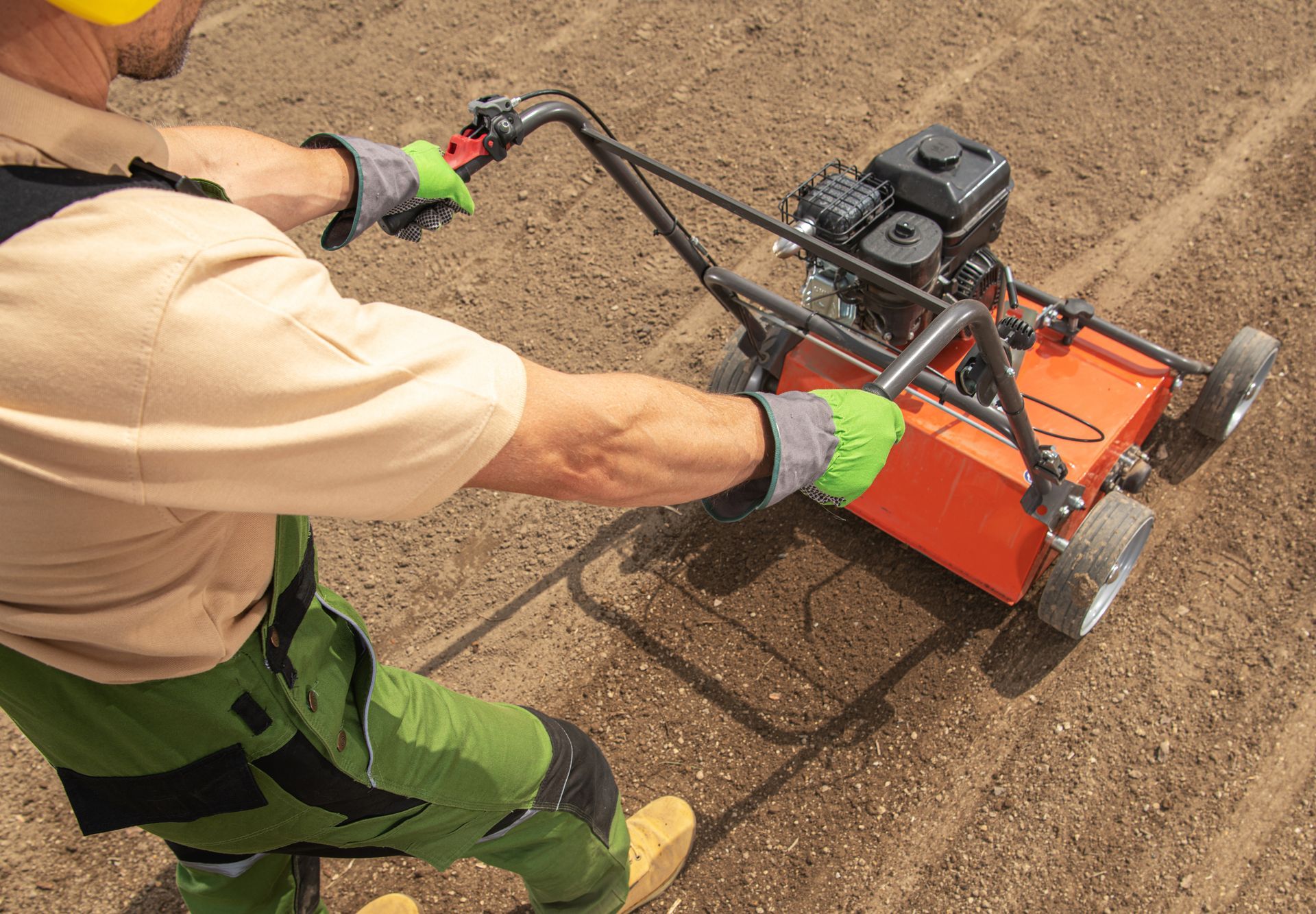
The reason for this price range often comes down to the specialized equipment required to navigate the rolling terrain and expansive estates found throughout our community. Professional grade core aerators are heavy, high-performance machines designed to pull out deep soil plugs. This is far more effective than the "spike" aeration methods often found in DIY rental kits, which can actually increase compaction by pushing soil sideways rather than removing it. If you are curious about how these services fit into a larger maintenance plan, you can view our full service list to see how we bundle care for local estates.
Primary Factors That Drive Your Estimate
Several variables will influence the final quote you receive from a local service provider. The most significant factor is the total square footage of the area being treated. Many properties in Bloomfield Hills are larger than the average suburban lot, often exceeding a half-acre or more. Most companies in Metro Detroit use aerial mapping to provide precise estimates based on the actual grass coverage rather than the total property size.
The condition of your soil also plays a role. Properties with severe compaction or those that have not been serviced in several years may require a "double pass" aeration to sufficiently break up the thatch layer. Furthermore, the type of grass seed selected—such as a premium Kentucky Bluegrass or a Heat-Tolerant Tall Fescue blend—will affect the material cost. Investing in high-germination, weed-free seed is often the difference between a lawn that thrives and one that struggles through the first frost. This is a core component of a Professional Lawn Care Program that prioritizes long-term soil health over quick, temporary fixes.
Signs Your Bloomfield Hills Lawn Needs Help
You do not always need a professional soil test to know your lawn is struggling. One of the most common signs of compaction in Michigan yards is increased runoff. If you notice that water flows toward the street or forms stagnant pools rather than soaking into the ground, your soil is likely too dense. This is particularly common in neighborhoods with a high clay content, where the ground can become almost brick-like during dry spells.
Another indicator is the presence of "wear patterns" or bare spots in high-traffic areas. When the soil is squeezed tight, the roots cannot expand, leading to a thinning canopy that allows weeds to take hold. If your lawn feels spongy underfoot, you may have a thick layer of thatch. This organic debris sits between the grass and the soil, blocking nutrients. Aeration is specifically designed to manage this layer by physically breaking it apart.
Why Soil Composition Matters in Oakland County
Bloomfield Hills is known for its beautiful, mature tree canopies and varied topography, but underneath that beauty is often a challenging soil profile. Many neighborhoods sit on a heavy clay base which is prone to extreme compaction during our wet springs and dry, late-summer stretches. Clay particles are microscopic and pack together tightly, leaving no room for the "pore space" that grass roots need to thrive.
When we perform Aeration and Seeding in Bloomfield Hills, we are essentially giving the ground room to breathe. This is particularly vital for the older, established estates in the area where decades of foot traffic and heavy lawn equipment have pressed the soil into a dense state. By removing thousands of small plugs, we create direct channels for water and nutrients to reach the roots, which is the only way to ensure your lawn stays green during a hot Michigan July.
The Best Time for the Service
In Michigan, timing is everything. While some homeowners consider spring aeration, the gold standard for Bloomfield Hills is late August through early October. This window allows the new grass seed to germinate in the warm soil while benefiting from the cooler air temperatures and increased rainfall typical of a Michigan autumn.
Performing these services in the fall ensures that the new seedlings have several weeks to establish a deep root system before the winter dormancy period begins. It also avoids the heavy weed competition that occurs in the spring. This means your new grass does not have to fight crabgrass and dandelions for space and nutrients. If you have missed the fall window, you might Contact Us for a Consultation to discuss if a spring application is viable for your specific property needs.
Cost Considerations for Large Estates
For the larger properties frequently found near Long Lake Road or the many country clubs in the area, pricing is often quoted on a per-acre basis. Large-scale aeration and seeding require different logistics, including larger equipment and higher volumes of seed. While a small suburban lot might be a flat rate, an acre or more may benefit from volume discounting.
However, keep in mind that larger properties often have more obstacles such as extensive irrigation systems, landscape lighting, and invisible dog fences that require careful marking before the machinery arrives. Ensuring these systems are protected is a standard part of a professional service but can add to the labor time of the project. A professional team will always prioritize the safety of your underground assets while ensuring the aeration tines reach the necessary depth for maximum benefit.
When to Call a Professional
While you can rent an aerator from a local big-box store, many homeowners find the process more difficult than expected. These machines are incredibly heavy and difficult to maneuver, especially on the sloped yards common in our area. Furthermore, DIY overseeding often results in uneven growth if the seed is not spread at the correct calibrated rate.
Calling a professional ensures that the cores are pulled to the correct depth and that the seed-to-soil contact is maximized. A specialist can also identify if your lawn requires supplemental treatments, such as a Targeted Fertilization Plan, to help the new seed take hold. This professional oversight prevents the common mistake of "burning" new seedlings with the wrong type of fertilizer, which can set your lawn back an entire season.
Local Authority and Expertise
Visionary Fertilization has spent years studying the specific turf needs of Oakland County homeowners. Our team understands that a lawn in Bloomfield Hills faces different challenges than a lawn in a different climate zone. From managing the transition between shady wooded areas and full-sun turf to selecting seed blends that can survive a harsh Michigan winter, we bring a level of local expertise that national franchises often miss.
We are fully licensed and insured, providing peace of mind that your property and its integrated systems are in safe hands. Our commitment to the community is reflected in the long-term health and vibrance of the lawns we maintain throughout the region. We focus on building soil health from the ground up, ensuring your landscape remains a valuable and beautiful asset for years to come.
Schedule Your Aeration and Seeding in Bloomfield Hills
If you are ready to transform your thinning, compacted yard into a lush landscape, now is the time to act. Our team provides detailed, transparent estimates for aeration and seeding in Bloomfield Hills and the surrounding Metro Detroit area. We take the guesswork out of pricing by providing clear, square-footage-based quotes that reflect the actual needs of your soil. Contact us today to secure your spot on our fall schedule and ensure your lawn is prepared for a healthy, green comeback next season.
FAQ Section
How often should a lawn in Bloomfield Hills be aerated?
Due to the heavy clay content in local Michigan soils, most lawns benefit from annual aeration. High-traffic yards or those with significant thatch buildup may require this every fall to maintain optimal health, while very healthy, established lawns might skip a year occasionally.
How long does it take for the new seed to grow?
Most professional Michigan seed blends contain a mix of species. You will typically see the first sprouts within 7 to 10 days, while the Kentucky Bluegrass components can take up to 21 days to germinate. It is vital to keep the soil consistently moist during this three-week window.
Is aeration or seeding more important?
They serve different purposes but work best together. Aeration fixes the soil's physical structure (compaction), while seeding improves the grass's biological health (density). In Bloomfield Hills, where soil is often dense clay, aeration is the foundation that allows the seeding to be successful.
Should I mow my lawn before the service?
Yes, we recommend mowing your lawn slightly shorter than usual (around 2 inches) before our team arrives. This allows the aerator to penetrate more effectively and ensures the new seed can reach the soil surface rather than getting caught in tall grass blades.
What should I do after the aeration and seeding is finished?
Watering is the most important post-service task. You should water lightly and frequently (2 to 3 times a day) for the first few weeks to keep the seed damp. Once the grass is established, you can return to deeper, less frequent watering to encourage deep root growth.