April 2, 2026
5 Signs Your Ornamental Trees are Suffering from Nutrient Deficiencies
5 Signs Your Ornamental Trees are Suffering from Nutrient Deficiencies
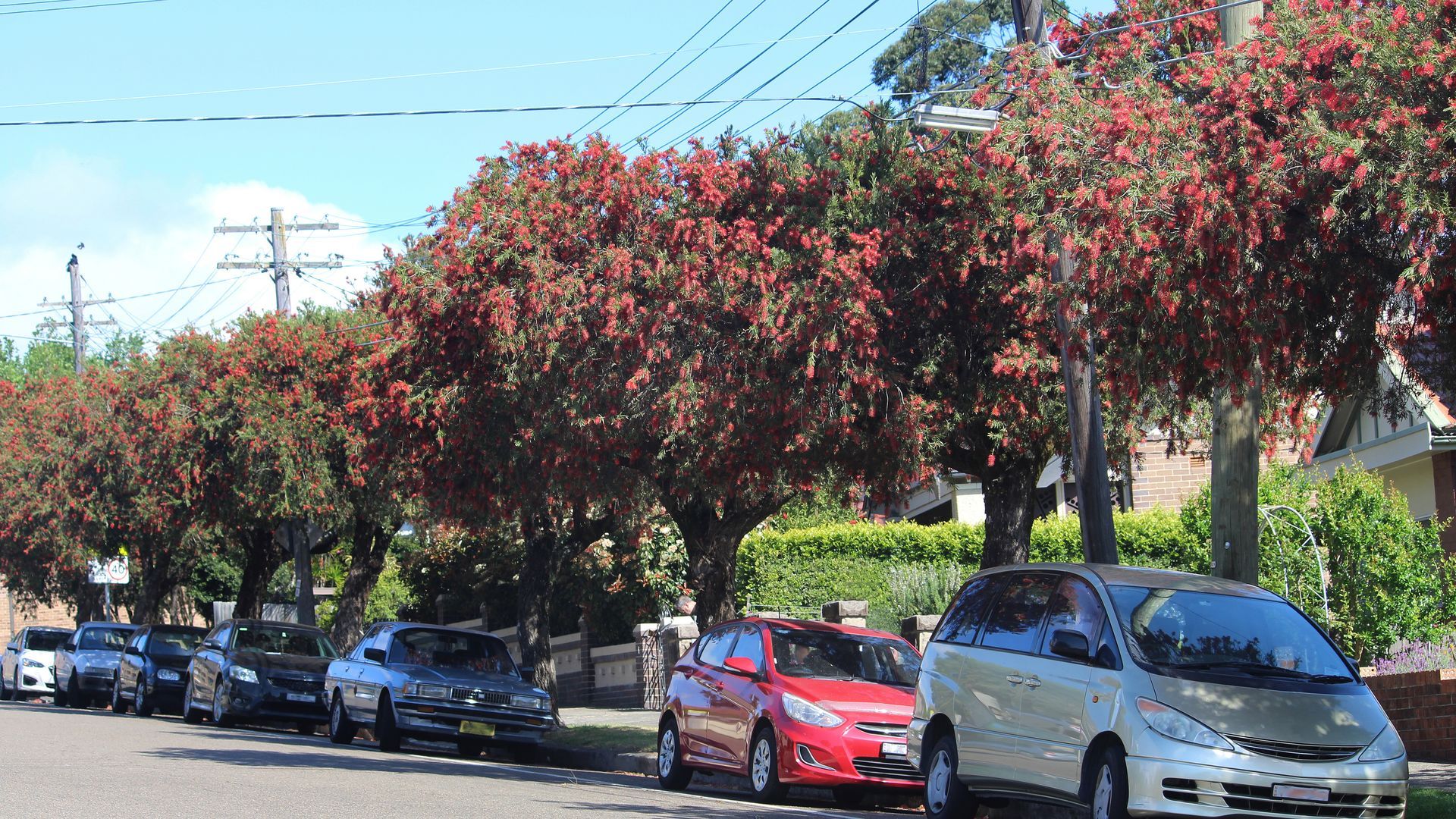
Beautiful ornamental trees like Japanese Maples, Flowering Dogwoods, and Blue Spruces are often the focal point of a well-designed landscape. You invest significant time and money into nurturing these features. When these prized trees begin to look tired, dull, or sickly, the immediate homeowner reaction is often to water them more heavily or grab the pruning shears. However, the root cause of this decline is frequently invisible beneath the turf.
Just like humans, trees require a balanced, consistent diet of macronutrients and micronutrients to thrive. When they lack this nutritional foundation, their health declines rapidly, leaving them highly vulnerable to diseases, invasive insects, and weather stress. Recognizing the early warning signals of a starving tree can save you from an expensive, heart-breaking removal and replacement process down the line.
Before we look at the symptoms, it helps to understand why feeding trees in our specific region can be so challenging.
Why the Local Soil Makes Feeding Difficult
In our region, the earth beneath our lawns is notoriously heavy and packed with dense clay. While clay holds moisture well, its tight structure severely limits the amount of oxygen that can reach the deep root system.
More importantly, clay soil in Almont is often highly alkaline. High pH levels in the soil effectively "lock up" essential micronutrients like iron and manganese. Even if these vital minerals are naturally present in the ground, the tree's root system cannot chemically absorb them due to the alkalinity.
This chemical lockout is exactly why surface-level granular fertilizers from the local hardware store rarely solve tree health problems. The nutrients simply sit on the top layer of the soil or wash away during the next heavy rain shower. They never penetrate the compacted clay to reach the deeper feeder roots where they are desperately needed.
Sign 1: Yellowing Leaves with Green Veins (Chlorosis)
One of the most visually striking symptoms of severe malnutrition is a condition known as chlorosis. If you look at the leaves of your ornamental maples, oaks, or birches and notice that the tissue between the leaf veins has turned a pale yellow or light green, while the veins themselves remain a stark, dark green, your tree likely has an iron or manganese deficiency.
Because the alkaline soil restricts iron absorption, the tree cannot produce enough chlorophyll, the vital pigment responsible for photosynthesis. Without adequate chlorophyll, the tree cannot produce energy from sunlight. Over time, these yellow leaves may develop scorched, brown edges and drop prematurely in the middle of the summer, leaving the branches completely bare and weakened.
Sign 2: Stunted Growth and Undersized Leaves
A healthy ornamental tree produces a predictable, vigorous amount of new growth each spring. If your tree’s canopy looks noticeably thinner than in previous years, or if the newly emerged leaves are unusually small, it strongly indicates a nitrogen deficiency.
Nitrogen is the primary engine that fuels the expansion of leaves and the elongation of new branches. When lacking this specific macronutrient, a tree conserves its limited energy, prioritizing basic survival over expanding its canopy. You might also notice that the overall color of the tree is a pale, washed-out green instead of a rich, vibrant hue. This stunted growth not only ruins the aesthetic appeal of your landscape but also weakens the tree’s overall structural integrity against high winds and storms.
Sign 3: Premature Fall Color and Leaf Drop
We all love the brilliant reds, oranges, and yellows of autumn. However, if your ornamental pear or maple tree starts changing color in August, it is a distress signal, not an early start to the fall season.
Trees that are deficient in essential macronutrients, particularly phosphorus or potassium, will undergo premature senescence. Essentially, the tree realizes it does not have the nutritional resources required to sustain its full canopy through the remainder of the growing season. To protect its core structure, it shuts down chlorophyll production early, causing the leaves to change color and drop weeks or even months before they naturally should. This early leaf drop severely limits the tree's ability to store up the energy reserves required to survive the harsh winter months ahead.
Sign 4: Dieback at the Branch Tips
Sometimes, the most obvious signs of starvation appear at the very edges of the tree. If the tips of the upper branches are dying, snapping off easily, or failing to produce healthy buds in the spring, it is a symptom known as "dieback."
While dieback can sometimes be caused by severe winter injury or a localized fungal infection, it is frequently linked to a severe lack of nutrients or heavily compacted soil preventing root expansion. When a tree cannot pull enough water and nutrients from the soil, it sacrifices its furthest extremities first to keep the main trunk and primary branches alive. If you see bare, dead branches protruding from the top of your canopy, the tree is under immense physiological stress.
Sign 5: Poor Flowering or Fruiting
If you planted a Flowering Crabapple, a Dogwood, or a Lilac tree, you expect a spectacular bloom each spring. When those blossoms fail to appear entirely, or if they are unusually sparse, small, and short-lived, a phosphorus deficiency is often the culprit.
Phosphorus is essential for energy transfer within the plant, and it plays a critical role in the development of flowers and fruit. Without it, the tree simply cannot muster the energy required for a heavy, vibrant bloom. Additionally, a lack of potassium can lead to weak stems, causing whatever flowers do manage to bloom to drop off at the first sign of a stiff breeze or light rain.
Cost Considerations: Proactive Care vs. Tree Removal
Ignoring the signs of a starving tree can lead to significant financial consequences for homeowners. The cost of a professional Tree and Shrub Program is minimal compared to the costly alternatives.
- Replacement Costs: Purchasing a new, mature ornamental tree, paying for delivery, and having it professionally installed can easily cost between $800 and $2,000 depending on the species and size.
- Removal Fees: Taking down a dead tree safely and grinding the remaining stump adds hundreds of dollars to your landscaping bill.
- Property Value: Healthy, mature trees actively increase your home’s curb appeal and overall property value. A dying, sparse tree creates an immediate eyesore that detracts from your home's aesthetic.
Investing in deep-root fertilization is a highly cost-effective insurance policy for your landscape.
When to Call a Professional
Treating a nutrient deficiency is not as simple as dumping a bag of fertilizer at the base of the trunk. In fact, applying the wrong type of nutrient, or applying it at the wrong time of year, can actually burn the roots and accelerate the tree's decline.
If you notice any of the five signs listed above, it is time to bring in an expert. Professionals utilize specialized equipment to perform deep-root feeding. This process injects a custom liquid blend of slow-release nutrients, critical micronutrients, and soil conditioners directly into the root zone, typically 6 to 8 inches below the soil surface. This bypasses the competing turfgrass roots and delivers the food exactly where the tree needs it.
Restore Your Landscape's Vitality
Don't stand by and watch your beautiful ornamental trees slowly starve. At Visionary Fertilization, we deeply understand the complex relationship between local soil conditions and long-term plant health. Our specialized programs are designed to break through compacted clay and deliver the precise nutrients your landscape requires to flourish. We proudly serve homeowners in Almont, providing expert care that protects your investment and keeps your property looking its absolute best year after year.
Contact us today to schedule a comprehensive health assessment for your trees and shrubs.
Frequently Asked Questions (FAQ)
Can I just use the same fertilizer on my trees that I use on my lawn?
No. Lawn fertilizers are typically very high in fast-release nitrogen designed specifically to push quick blade growth in turfgrass. Trees require a vastly different ratio of macronutrients, heavily focused on slow-release formulas and specific micronutrients like iron and manganese that grass simply doesn't need in high volumes.
How quickly will my tree recover after a deep-root feeding?
Trees metabolize at a much slower rate than grass. You may notice a slight improvement in leaf color within a few weeks if the issue was a minor micronutrient deficiency, but full structural recovery (like new canopy growth and branch elongation) typically takes a full growing season to become highly visible.
Is there a best time of year to fertilize ornamental trees?
The most effective times are late fall (after the leaves drop completely) or early spring (before the new buds break). This optimal timing allows the deep roots to absorb and safely store the nutrients without having to compete with the immediate energy demands of growing new leaves.
My tree's leaves have brown, crispy edges. Is that always a nutrient problem?
While it can occasionally be related to a potassium deficiency, crispy edges (often called leaf scorch) are much more commonly caused by severe drought stress, root damage, or over-fertilization. A professional assessment is required to determine the exact cause.
Can you over-fertilize an ornamental tree?
Yes. Applying too much fertilizer, or the wrong kind, causes fertilizer "burn," which chemically damages the delicate root system and severely limits the plant's ability to uptake water, potentially killing the tree faster than natural starvation would.